Film Stock Prompts: 15 Film Looks for Midjourney and Flux
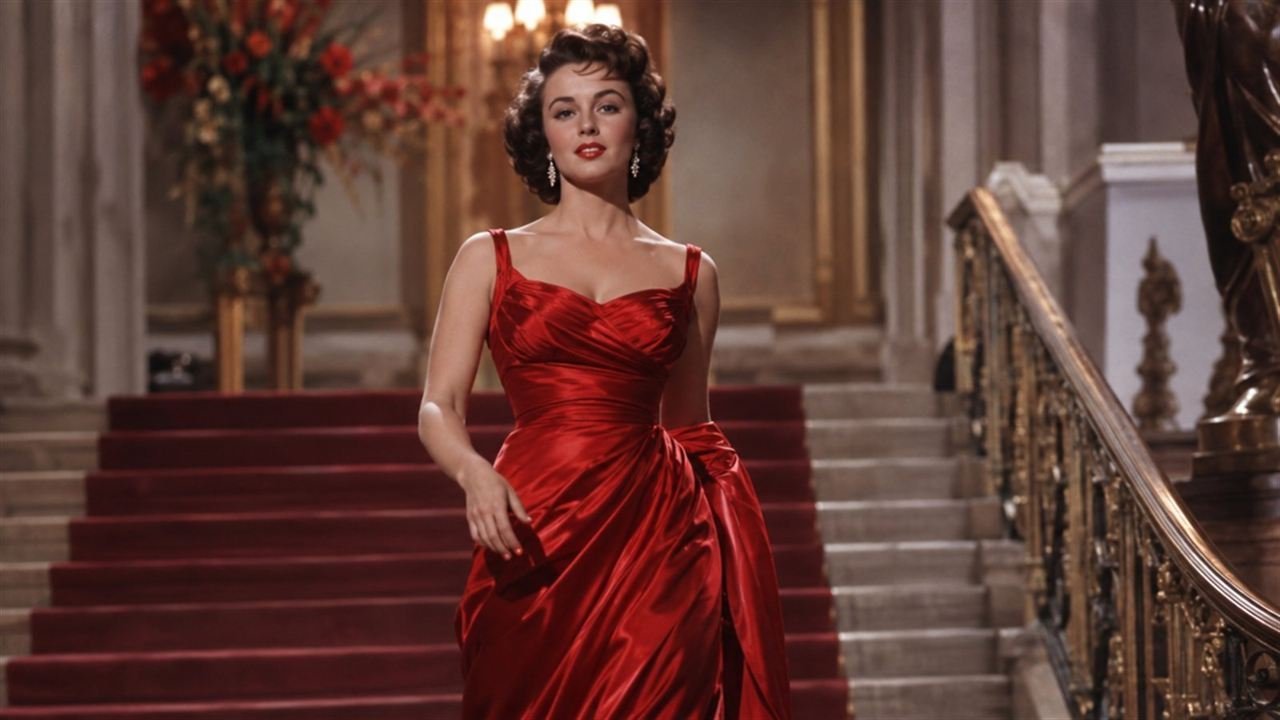
A film stock name is the most efficient phrase you can put in an AI image prompt. Two or three words carry a whole package: colour palette, contrast, grain, how skin renders, how highlights roll off. Photographers spent decades learning what each stock does, and the models learned it from millions of captioned photographs.
Here are fifteen stocks worth knowing, what each one gives you, and what to pair it with.
How to use a stock in a prompt
Write it as a plain phrase near the end of the prompt: shot on Kodak Portra 400, or simply Kodak Portra 400 film. Add fine grain or visible grain if you want the texture to show.
One stock per image. Two stocks in one prompt give you a muddy average of both.
The colour negative stocks
- Kodak Portra 400. The portrait standard. Warm, soft, forgiving skin, gentle contrast, pastel highlights. Use it for people in daylight, weddings, lifestyle, anything where skin should look kind.
- Kodak Portra 800. Portra with more grain and a little more punch in low light. Good for indoor portraits and evening streets.
- Kodak Ektar 100. Saturated, fine grained and sharp. Strong reds and blues. Landscapes, travel and product shots, not so kind to skin.
- Kodak Gold 200. Warm, nostalgic, slightly yellow. The look of family snapshots from the eighties and nineties. Pair with direct flash or bright sun for a holiday feel.
- Fuji Superia 400. Cooler than Kodak with greenish shadows. Everyday consumer film from the late nineties and early 2000s. Great for casual street and friends-at-a-party images.
- Lomography 800. Saturated, contrasty and a little wild. Colour shifts and heavy grain. For playful, imperfect, experimental shots.
The slide films
- Fuji Velvia 50. Intense saturation, deep blacks, vivid greens and blues. The classic landscape film. Too strong for faces, perfect for mountains and autumn forests.
- Fuji Provia 100F. Accurate, clean and neutral slide film. When you want colour that looks true rather than stylised.
- Kodachrome 64. Rich, warm reds and deep blues with a distinctive vintage density. The look of mid-century travel and magazine photography.
The black and white stocks
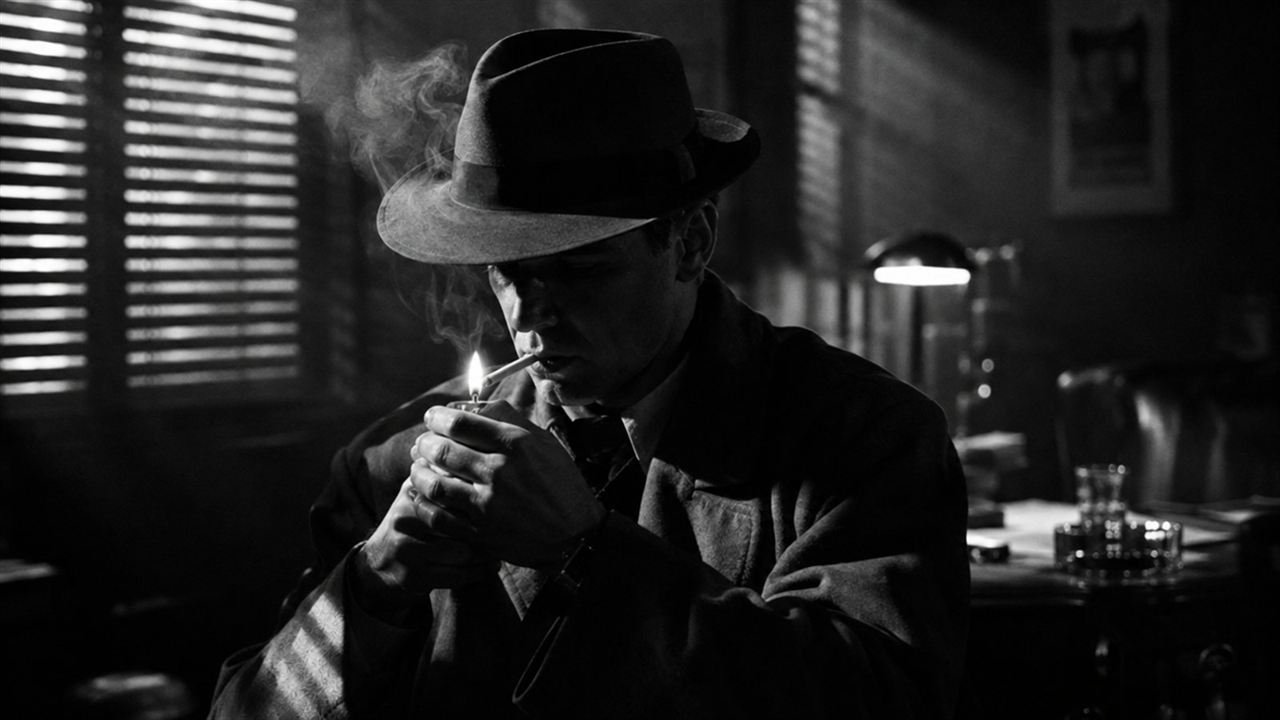
- Kodak Tri-X 400. Gritty, contrasty, timeless. Street photography, documentary and reportage. Visible grain is part of the point.
- Ilford HP5 400. Softer than Tri-X with smoother mid-tones. Moody portraits and quiet street scenes.
- Ilford Delta 3200. Very high speed, very heavy grain, deep shadows. Night scenes, concerts, anything that should feel raw and low light.
For black and white, say so explicitly as well. Some models add a colour tint if the stock name is the only clue.
The cinema stocks
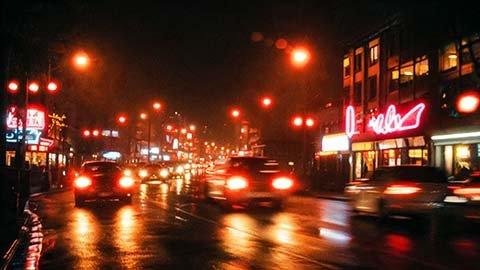
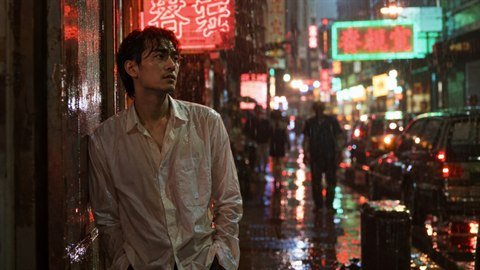
- Cinestill 800T. Tungsten-balanced film with the anti-halation layer removed, so bright lights get a red glow around them. The signature neon-night look. City streets after dark, diners, rain.
- Kodak Vision3 500T. The motion picture stock behind a huge amount of modern cinema. Tungsten balanced, wide dynamic range, soft rich colour. Use it for film-still looks at night or indoors.
- CineStill 50D. Daylight cinema stock. Clean, fine grained, cool and sharp. Bright exteriors with a movie-still quality.
All fifteen of these stocks are one click in Frame Juice Image Pro, with grain and halation sliders to match, and it flags settings that clash, like a colour grade that fights your white balance.
What to pair with each stock
The stock is only half the look. The other half is the light it was shot in.
- Portra and Gold love soft daylight and golden hour.
- Ektar, Velvia and Kodachrome want bright sun and strong colour in the scene.
- Tri-X and HP5 work with hard, directional light that creates real shadows.
- Cinestill 800T and Vision3 500T belong at night, near practical lights: neon, street lamps, lit windows.
Mismatch them and the model compromises. A tungsten night stock in flat noon sun produces a strange blue cast. Velvia on a close-up of a face gives you oversaturated skin.
Grades on top of stocks
A colour grade can sit on top of a stock, but keep the two compatible. A warm Kodak grade on Portra is harmonious. A cold teal grade on Kodak Gold fights it. When in doubt, let the stock do the colour and leave the grade out.
Which stocks the models know best
The most photographed stocks are the most reliable: Portra 400, Tri-X, Cinestill 800T, Velvia and Kodachrome all produce clearly recognisable looks in current models. Rarer stocks can drift toward a generic film look, so if a result doesn't match, add the character you want in plain words: warm skin, soft contrast, fine grain.
Test it yourself: keep the whole prompt identical, change only the stock, and generate each one with the same seed where your tool allows it. It's the fastest way to learn which looks you actually like.
More articles
Stop Writing 'Cinematic' in AI Prompts. Write This Instead.
'Cinematic' is too vague to help. Swap it for six real decisions: frame, lens, motivated light, cinema stock, grade and story, with five before-and-after prompts.

Choose the look first: a better way to write AI image prompts
Start from a look such as Film Noir or Claymation, then set lens and light. Why it beats a blank prompt in Midjourney, Flux and GPT Image.
Why AI Portraits Look Plastic and How to Fix Them
Waxy skin and airbrushed faces come from how you prompt. Here are the words that bring back skin texture, grain and real imperfection.