Stop Writing 'Cinematic' in AI Prompts. Write This Instead.
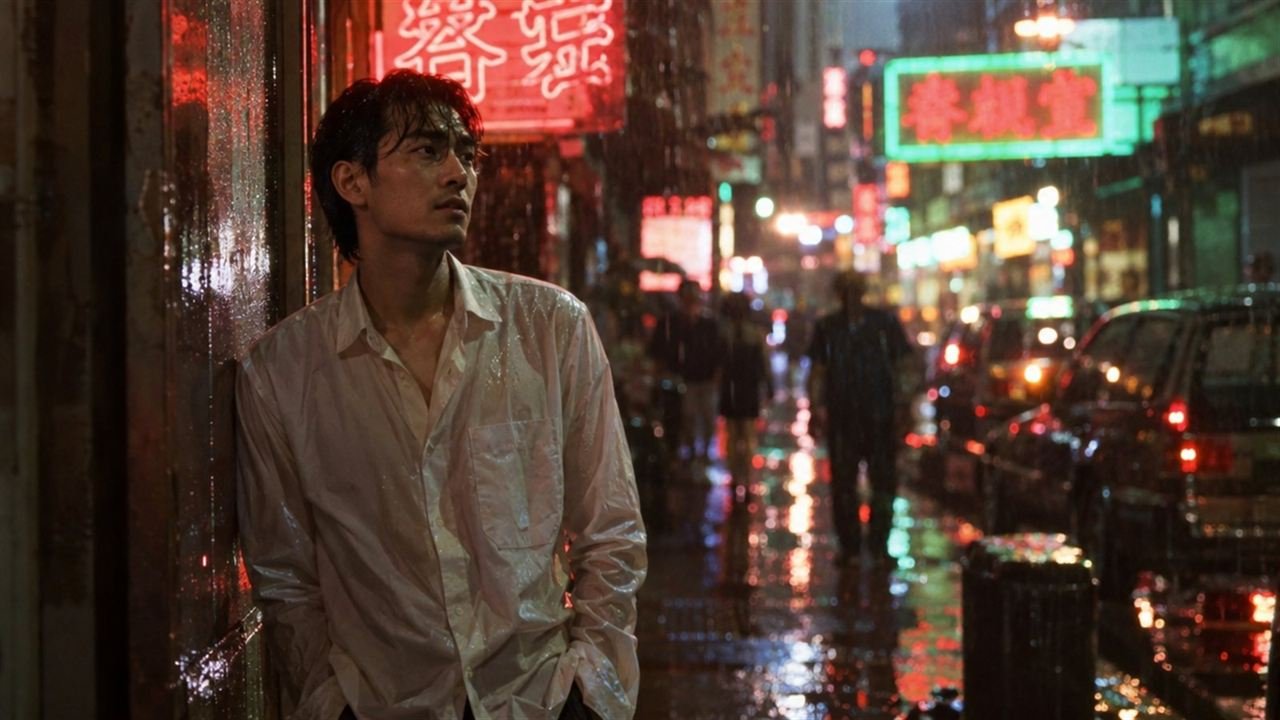
“Cinematic” is probably the most-used word in AI image prompts, and one of the least useful. Everyone wants their image to look like a film, so everyone writes the same word, and the model returns the same thing: moody, a bit orange, a bit teal, vaguely dramatic, and instantly recognisable as AI.
The problem isn't the goal. It's that “cinematic” is a result, not an instruction. Real cinematographers never say it. They make five or six specific decisions, and the cinematic look is what comes out.
What “cinematic” actually means
When people say an image looks cinematic, they're usually reacting to a handful of things:
- A widescreen frame.
- A particular lens look, often anamorphic.
- Motivated light: light that seems to come from somewhere in the scene.
- A cinema film stock or its digital equivalent.
- A deliberate colour grade.
- Composition with a story: someone looking at something, a space around them.
Replace the word with those six decisions and the image stops looking generic.
Swap 1: the frame
Instead of cinematic, write 2.39:1 widescreen frame. Cinema is wider than photography. Even inside a 16:9 image, asking for a widescreen composition changes where the model places things.
In tools with a ratio setting, set it to 2.39:1 or 21:9 as well.
Swap 2: the lens
Anamorphic glass is one of the most recognisable signatures of cinema, and models know its look well. For a gentler feel, try 35mm cinema lens at f/2.
Swap 3: the light
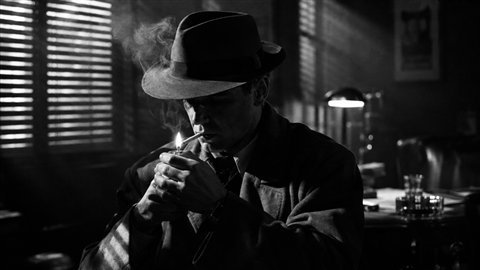
Films rarely use flat light. Name where it comes from: light from a neon sign on the left, a single practical desk lamp, low sun through the window blinds. Light that has a source reads as a scene, not a studio.
Swap 4: the stock
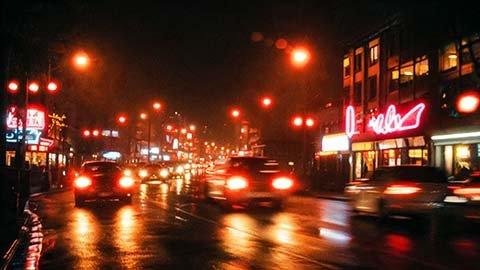
Kodak Vision3 500T for night and interiors. CineStill 50D for bright days. These are motion picture stocks, and they give colour and grain that feel like a film frame rather than a photograph.
Cinematic Portrait and Neon Night Film are free presets in Frame Juice that show these decisions working together, including the 2.39:1 widescreen ratio. Pro adds the cinema film stocks and anamorphic lens character.
Swap 5: the grade
Choose one grade on purpose: teal and orange, bleach bypass, muted Nordic greens, warm Technicolor. The generic “cinematic” result is usually a random mild version of teal and orange. Decide instead.
Swap 6: the story in the frame
Film frames are moments inside a story. Give the subject something to look at, a reason to be there, and space around them.
That's a scene. “Cinematic woman” is not.
Five before and afters
1. Man in the rain
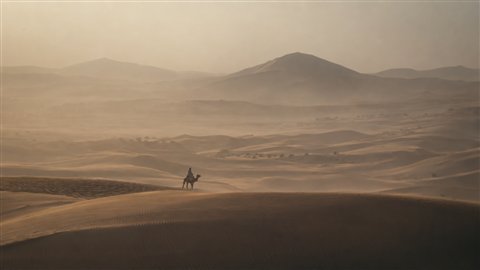
2. Desert
3. Portrait
4. City at night
5. Kitchen scene
Keep the word if you like
You don't have to ban it. Once the real decisions are in place, “cinematic” becomes a harmless finishing touch. Just don't let it do all the work.
More articles
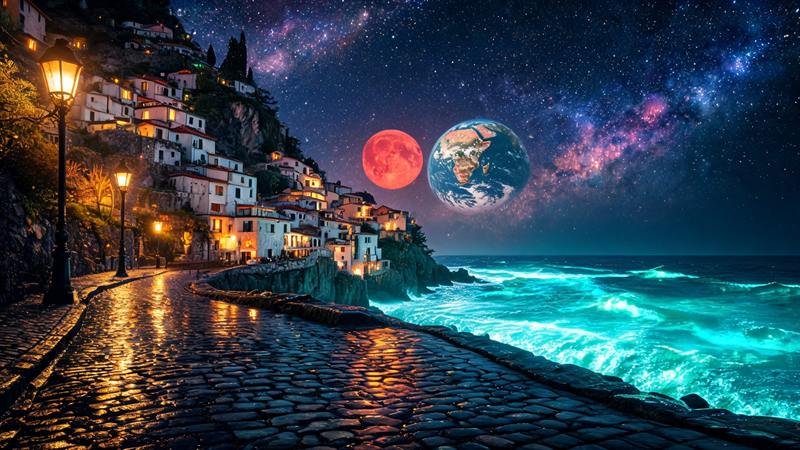
Choose the look first: a better way to write AI image prompts
Start from a look such as Film Noir or Claymation, then set lens and light. Why it beats a blank prompt in Midjourney, Flux and GPT Image.
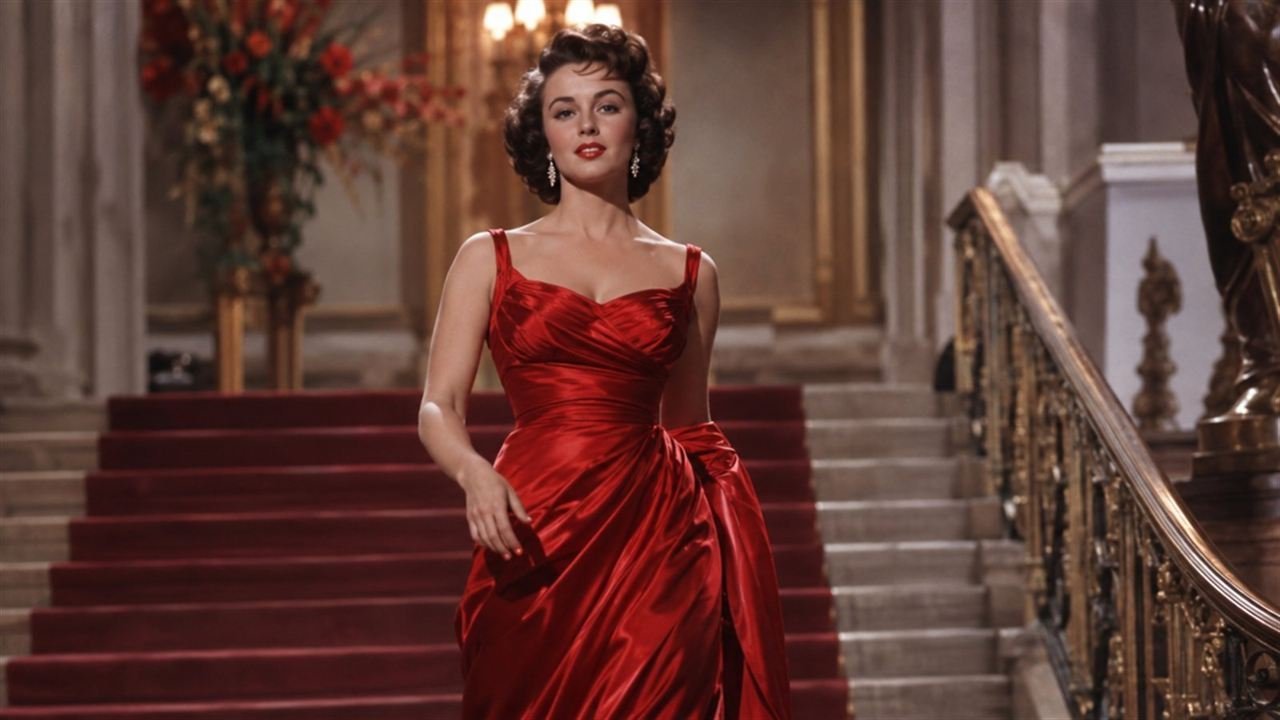
Film Stock Prompts: 15 Film Looks for Midjourney and Flux
Copy the exact prompt words for 15 film stocks, from Portra and Tri-X to Cinestill 800T and Velvia, and see which look each one gives an AI image.
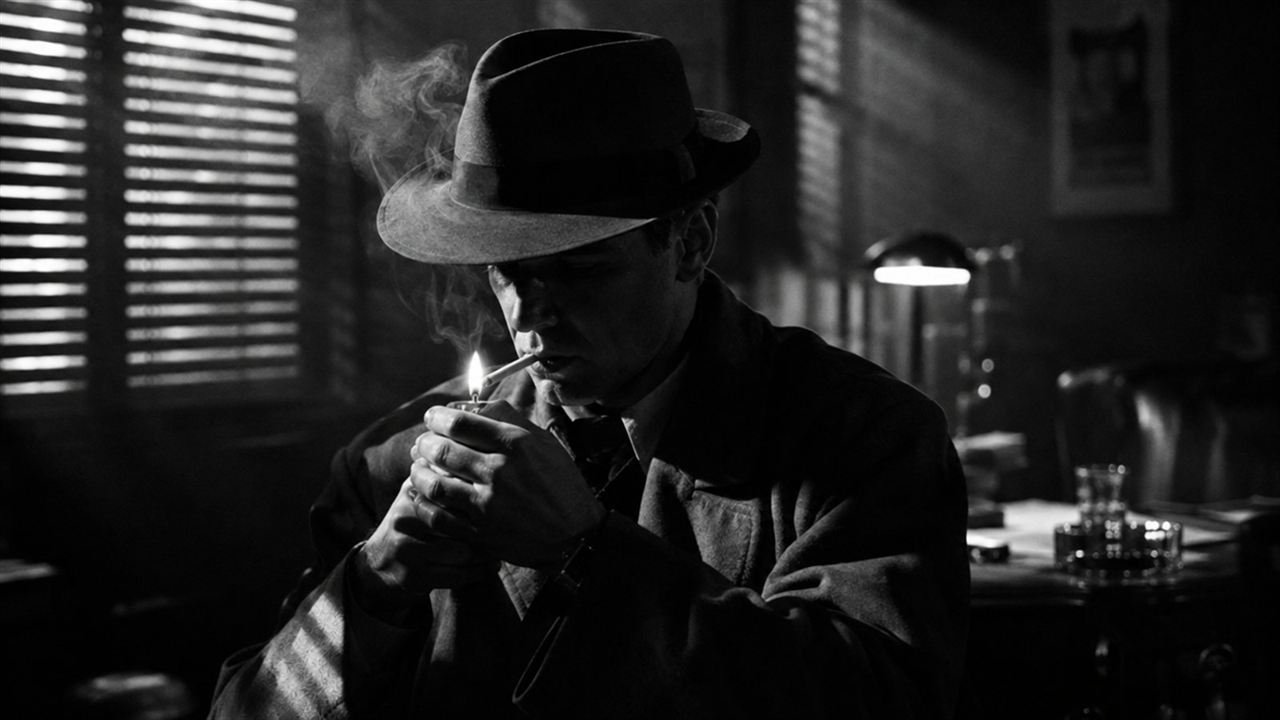
Why AI Portraits Look Plastic and How to Fix Them
Waxy skin and airbrushed faces come from how you prompt. Here are the words that bring back skin texture, grain and real imperfection.